
Use the finished product as the reference
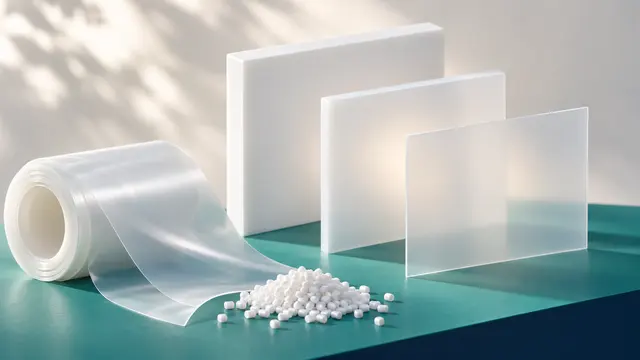
A white plaque and a thin film can give very different impressions of the same concentrate. State the actual thickness, layer structure and base resin when asking for a grade. Share a reference sample and describe whether the priority is hiding power, whiteness, tint or surface appearance.
Compare at the intended dosage
Titanium dioxide concentration is useful information, but it is not a complete comparison. Evaluate the proposed grade at the intended addition rate and check color and opacity on the final product. Keep the base resin and processing conditions consistent between samples.
Include processing and product checks
A useful trial records dispersion, visible defects and processing stability alongside appearance. The relevant checks depend on the application: filtration for fiber spinning, optical and surface requirements for film, and specified mechanical properties for molded parts. Confirm any compliance requirements for the actual grade.
Assess cost on accepted output
Compare the amount of concentrate used per accepted product, together with rejects and processing observations. A lower price per kilogram can be offset by a higher dosage or more rejected material. Send your thickness, resin and opacity target to Dibachem for a focused grade discussion.